2023年11月15日星期三

Can a Laser Cutter Effectively Cut Sheet Metal?

  In the realm of modern manufacturing and fabrication, laser cutting technology has emerged as a revolutionary tool. With its precision, speed, and versatility, laser cutters have transformed various industries. One question that often arises is whether a laser cutter can effectively cut sheet metal. In this article, we'll explore the capabilities, advantages, limitations, and considerations associated with using laser cutters for sheet metal fabrication.

Capabilities of Laser Cutters

Laser cutting machines utilize highly focused beams of light to cut through various materials with extreme precision. When it comes to sheet metal, laser cutters offer several distinct advantages:

Precision: Laser cutters are known for their exceptional accuracy. They can create intricate and complex designs on sheet metal with minimal material wastage.

Speed: Laser cutting is a swift process, making it suitable for high-volume production. The concentrated energy of the laser allows for fast and efficient cuts, enhancing overall productivity

Versatility: Laser cutters can work with various types of sheet metal, including stainless steel, aluminum, brass, and more. This versatility makes them adaptable to a wide range of applications.

Minimal Heat Affected Zone (HAZ): Advanced laser cutting techniques, such as fiber lasers, result in a smaller heat affected zone. This reduces the likelihood of warping or distortion in the sheet metal, preserving its structural integrity.


Advantages of Laser Cutting Sheet Metal

Laser cutting offers numerous advantages when applied to sheet metal:

Intricate Designs: Laser cutters can create intricate patterns and shapes that might be challenging to achieve with traditional cutting methods.

Smooth Edges: Laser cutting produces clean and smooth edges without the need for secondary finishing processes in most cases.

Minimal Material Waste: The precision of laser cutting minimizes material wastage, contributing to cost savings and more sustainable manufacturing.

Quick Prototyping: Laser cutters allow for rapid prototyping, enabling manufacturers to test designs and make adjustments efficiently.

Limitations and Considerations

While laser cutting is a powerful tool, there are certain limitations and considerations to keep in mind when using it for sheet metal:

Material Thickness: Laser cutters are highly effective for thin to medium-thickness sheet metal. However, for extremely thick materials, the process might become slower and less cost-effective.

Reflective Materials: Highly reflective metals, like copper and silver, can reflect the laser beam, reducing cutting efficiency. Special techniques or more powerful lasers might be required for these materials.

Initial Investment: Acquiring a laser cutter involves a significant upfront investment. Maintenance, training, and operational costs should also be considered.

Design Constraints: While laser cutters offer great flexibility, certain design features, such as sharp inside corners, might pose challenges due to the diameter of the laser beam.

Conclusion

In conclusion, laser cutters are indeed capable of effectively cutting sheet metal, offering precision, speed, and versatility that can revolutionize the manufacturing and fabrication processes. The advantages of laser cutting, such as intricate designs, smooth edges, and minimal waste, make it a compelling choice for various industries. However, it's important to consider the limitations, including material thickness and reflective properties, before opting for laser cutting in specific applications.

As technology continues to advance, laser cutting techniques are likely to improve even further, potentially reducing current limitations. With careful consideration of the materials and designs involved, manufacturers can harness the power of laser cutters to streamline production, achieve remarkable designs, and stay at the forefront of modern manufacturing.

2023年11月6日星期一

Aluminum Casting vs. Steel Casting: A Comprehensive Comparison

 In the world of manufacturing and construction, choosing the right materials is paramount to ensure the success and longevity of your projects. Two materials that frequently find themselves at the center of this decision-making process are aluminum and steel. Both have unique properties and advantages, and selecting the right one can significantly impact the outcome of your project. In this article, we'll delve into a detailed comparison of aluminum casting and steel casting, providing you with the insights you need to make an informed decision.

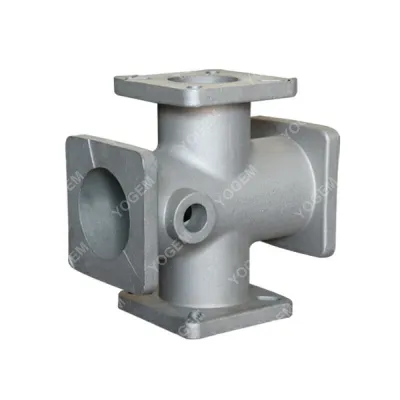
aluminum casting

Introduction to Aluminum Casting and Steel Casting

Aluminum Casting

Aluminum casting is a versatile and widely-used method for creating intricate and durable components. It involves melting aluminum and pouring it into a mold to create a specific shape. Aluminum's lightweight nature makes it an attractive choice for various applications, from automotive parts to aerospace components.

Strength and Durability: While aluminum may not be as strong as steel, it boasts impressive strength-to-weight ratio. It's highly resistant to corrosion, making it an excellent choice for outdoor applications.

Weight: Aluminum is incredibly lightweight, making it ideal for applications where reducing weight is essential, such as in the automotive and aerospace industries.

Conductivity: Aluminum Casting Method is an excellent conductor of electricity, making it suitable for electrical components and wiring.

Steel Casting

Steel casting, on the other hand, involves melting steel and pouring it into molds to create a wide range of products, from heavy machinery parts to ornamental items. Steel is renowned for its exceptional strength and durability, which has led to its extensive use in various industries.

Strength and Durability: Steel is known for its unparalleled strength and durability, making it a prime choice for applications where structural integrity is crucial.

Heat Resistance: Steel can withstand high temperatures, which is why it is preferred for applications where extreme heat or fire resistance is necessary.

Versatility: Steel's adaptability makes it suitable for a wide array of applications, from construction to manufacturing.


A Detailed Comparison

Weight and Density

Aluminum is significantly lighter than steel. It has a density of approximately 2.7 g/cm³, while steel has a density of around 7.8 g/cm³. This means that aluminum components can reduce the overall weight of your project, which can be especially advantageous in the transportation and aerospace industries.

Strength and Durability

When it comes to strength, steel takes the lead. Steel is much stronger than aluminum and is often the preferred choice in applications where structural integrity and load-bearing capabilities are essential. Aluminum, while not as strong as steel, still offers an impressive strength-to-weight ratio and exceptional resistance to corrosion.

Heat Resistance

Steel has a higher melting point than cast aluminum, making it more suitable for applications where heat resistance is a primary concern. For example, steel is often chosen for components in industrial furnaces and high-temperature environments. Aluminum has a lower melting point and is not ideal for applications requiring high heat resistance.

Corrosion Resistance

One of aluminum's standout features is its corrosion resistance. It forms a protective oxide layer when exposed to the elements, making it an excellent choice for outdoor applications. Steel, on the other hand, is more susceptible to corrosion and typically requires protective coatings or treatments to prevent rust.

Cost Considerations

Aluminum is generally more cost-effective than steel, both in terms of material costs and processing. Its lightweight nature also contributes to reduced transportation costs. However, the choice between aluminum and steel will depend on the specific requirements of your project and the importance of factors such as strength, heat resistance, and durability.


Conclusion

In the aluminum casting vs. steel casting comparison, both materials have their unique strengths and weaknesses. Aluminum excels in applications where weight reduction and corrosion resistance are critical, while steel shines in situations requiring superior strength and heat resistance.

When making your decision, consider the specific requirements of your project, your budget, and the intended application of the components. Each material has its place in various industries, and choosing the right casting company​ will ensure the success of your project.

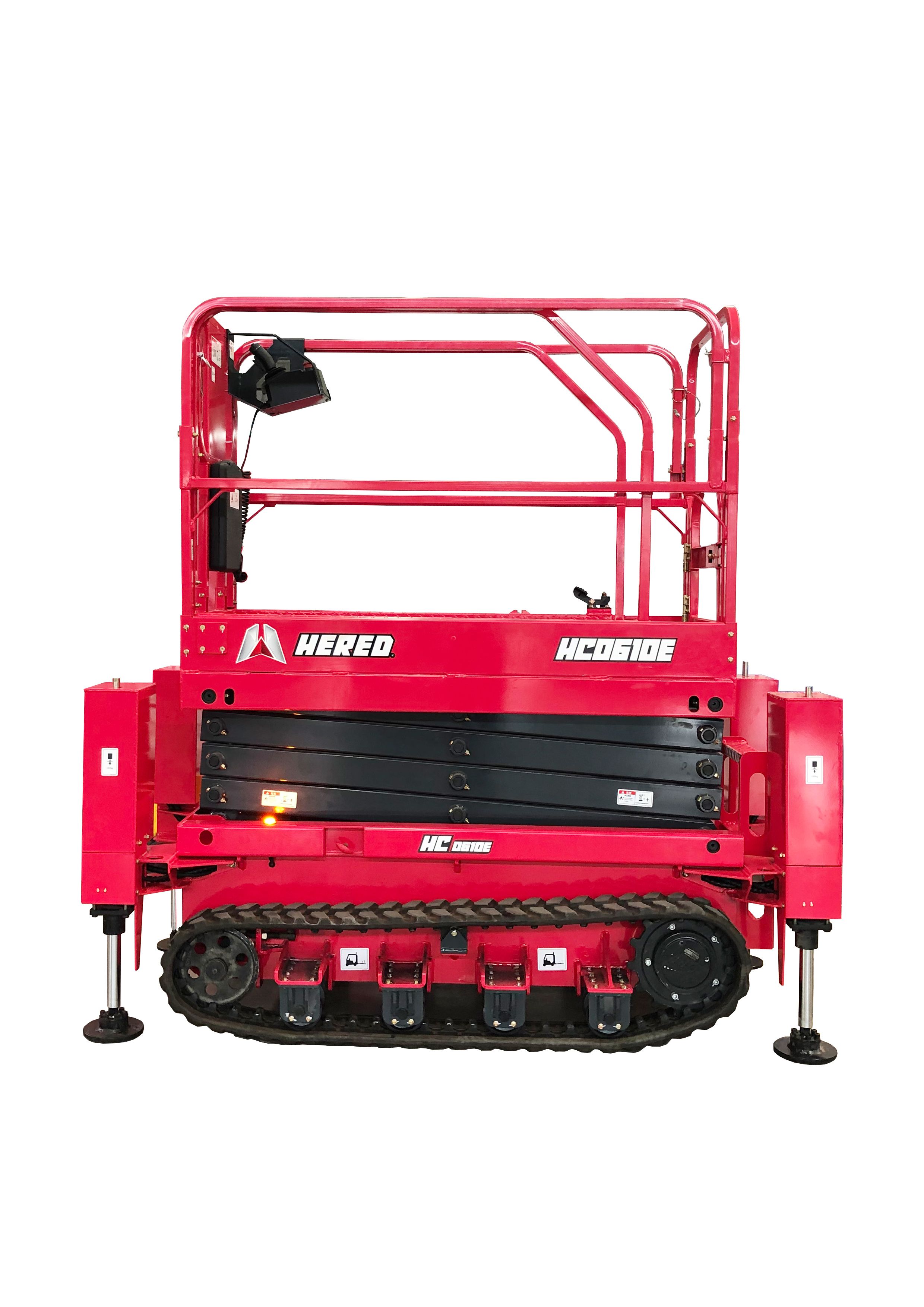
Unleashing Potential: The Fascinating World of Outdoor Man Lifts

In the ever-evolving landscape of construction and maintenance, outdoor man lifts have emerged as indispensable tools. These remarkable mach...